Berberine And Glucose Metabolism: What The Research Shows
Berberine is a bioactive plant compound with an unusually strong research base for a botanical, tested in numerous clinical trials examining its effect on glucose metabolism.
Several studies have found its glucose-lowering effects comparable to metformin, a first-line diabetes medication — a genuinely notable claim for a plant compound.
What makes Berberine different from most supplement ingredients
Most botanical ingredients in the supplement world rest on preliminary, small-scale, or purely traditional evidence. Berberine is a genuine exception: it has been examined in numerous randomized controlled trials, several meta-analyses, and head-to-head comparisons against pharmaceutical treatment.
Berberine is not a vitamin or mineral your body requires — it is a bioactive compound extracted from plants like goldenseal and barberry, and it behaves more like a gentle metabolic agent than a typical nutrient.
The mechanism: AMPK activation
Berberine's primary studied mechanism involves activating an enzyme called AMPK (adenosine monophosphate-activated protein kinase), sometimes described as a cellular energy sensor or metabolic switch. Activating AMPK is associated with reduced glucose production in the liver and improved glucose uptake in cells. Research on this mechanism is indexed on PubMed.
What clinical trials have found
Trials have generally examined fasting blood glucose, post-meal glucose spikes, and HbA1c (a marker of average blood sugar over roughly three months). Several trials and meta-analyses have found reductions comparable to metformin in some measures, which is an unusually strong result for a supplement ingredient to produce in controlled research.
An important caveat about doses
Who should be cautious
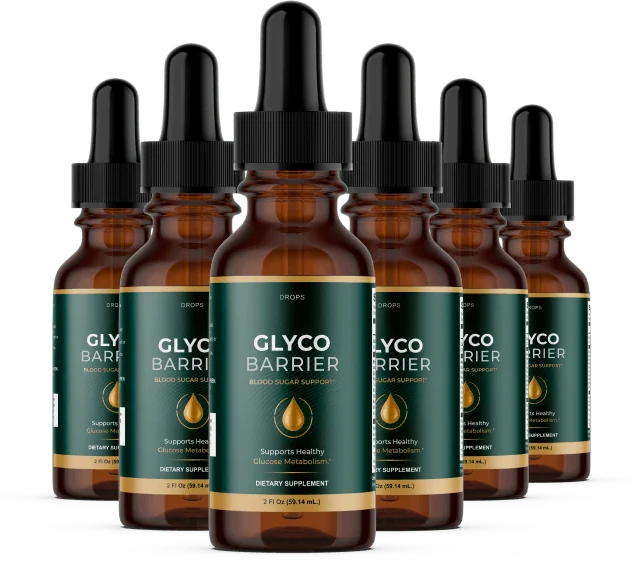
Applying this to Glyco Barrier
Berberine is the anchor ingredient in Glyco Barrier's eight-ingredient formula, and it is genuinely the strongest-evidenced choice available in this category. As with the rest of the formula, the exact milligram amount per dose is not disclosed, which limits how directly it can be compared to the clinical trial doses referenced above.